

Jim Corbett’s Legacy: Where India’s Conservation Began | Into The Wild
Jim Corbett National Park: Pioneering India’s Wildlife Preservation
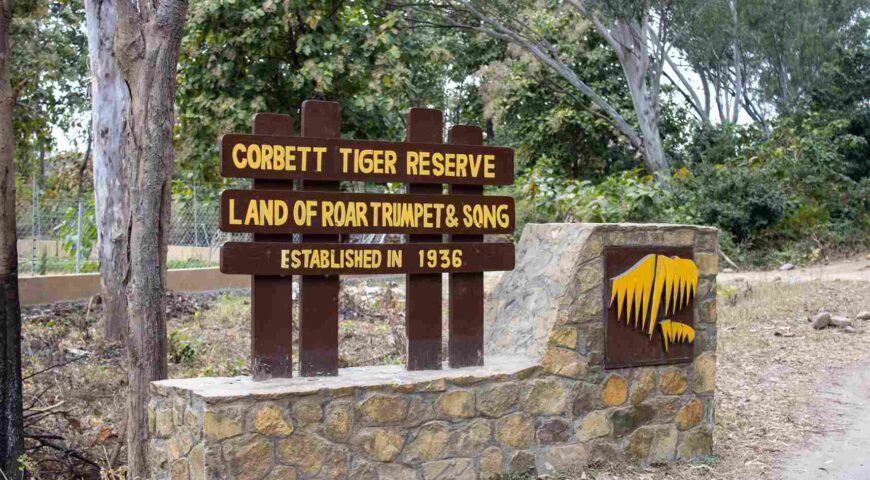
Jim Corbett National Park is in Uttarakhand and is the first national park established in the year 1936. When it was set up, it was named “Hailey National Park” after Sir Malcolm Hailey, the then Governor of United Provinces under British India. Later on, it was renamed Jim Corbett National Park in 1956 to honour Jim Corbett a renowned naturalist and conservationist who played a huge role in the establishment of the park. It stands as a symbol of Indias conservation efforts. In fact, the establishment of Corbett Tiger Reserve helped in laying the foundation for Project Tiger in 1973 which is aimed at protecting the dwindling population of the Royal Bengal Tiger all over the country. Now as of today it has a conservation history of over 70 years and is still a hub for wildlife enthusiasts who come from all over the world to see the Royal Bengal tiger in all its glory.
Wildlife Diversity in Corbett: A Haven for Iconic Species
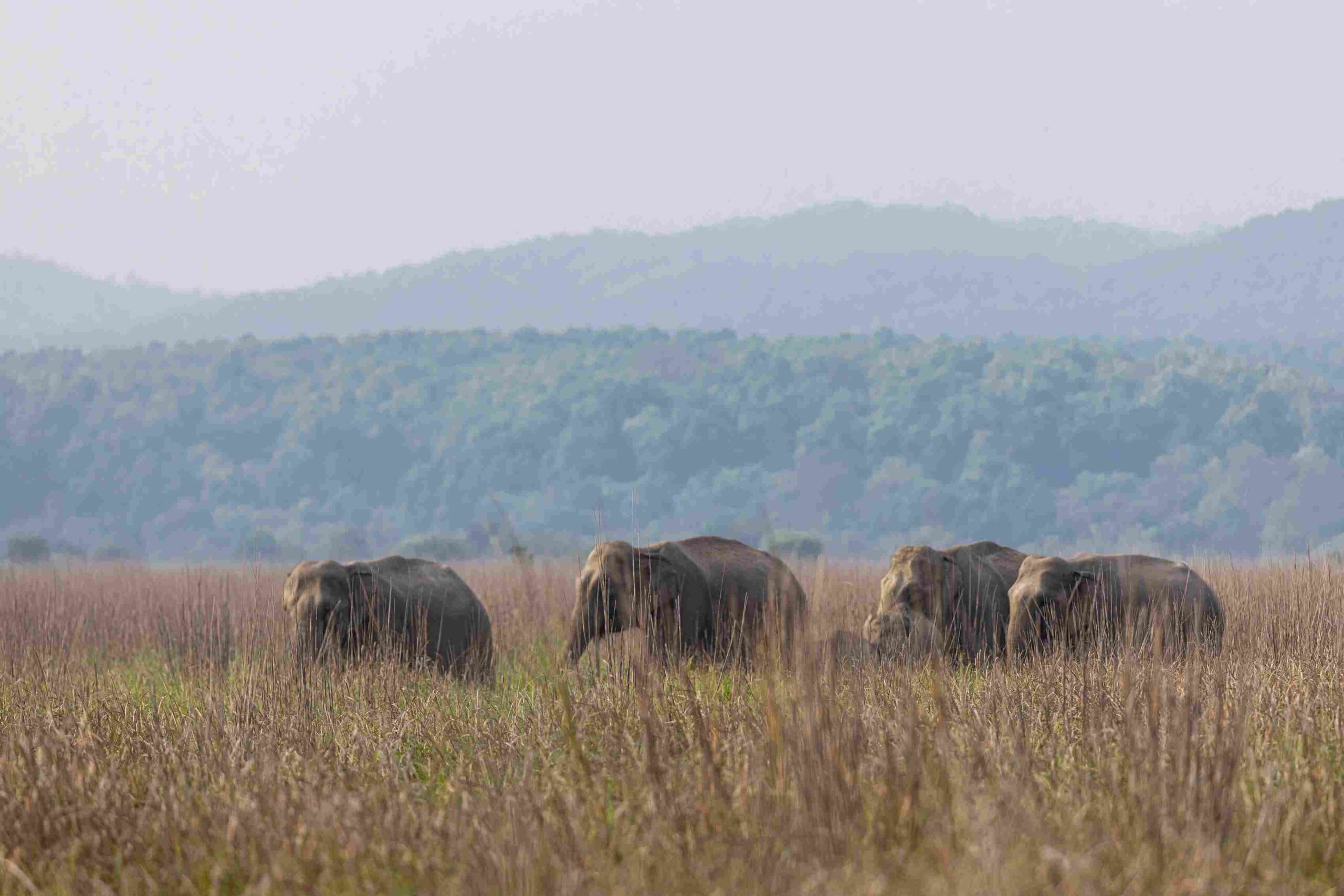
As we all know that the Jim Corbett National Park is known for its thriving tiger population, I mean that was the reason for which the park was set up. But apart from the tigers that are the main attraction the park is also has a diverse variety of species that have made it its home. The park has an impressive population of Indian Elephants, Leopards, Gharial Crocodiles and over 600 species of birds. If you visit this park, you may also be able to spot the Indian Wild Boar, Sambar Deer, and even Langur Monkeys. Overall If you visit this park you will definitely be able to spot an iconic species or two.
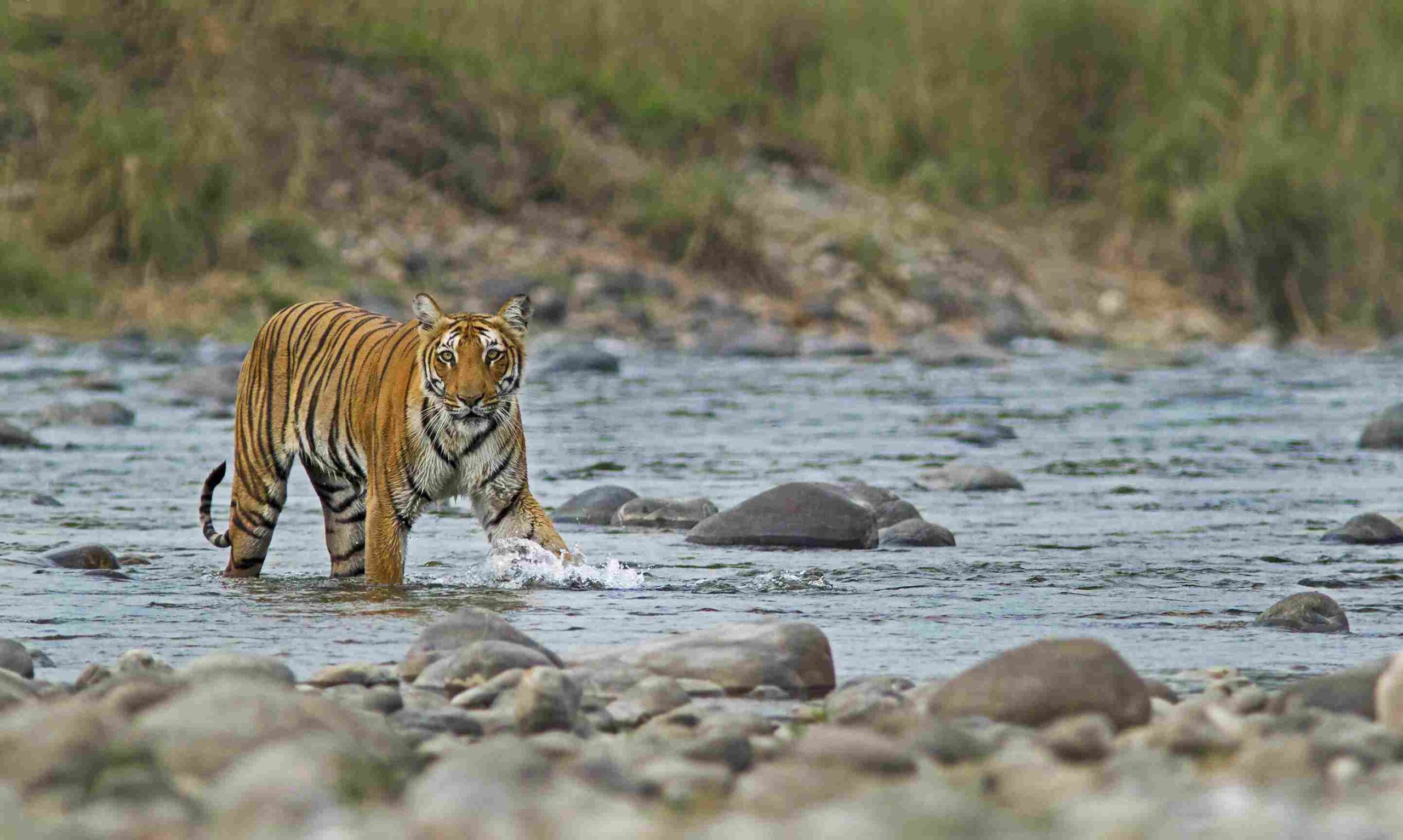
For those interested in endangered species, Corbett is an important site, aligning with The Ultimate Guide to Spotting Endangered Species on Indian Safaris. This resource highlights the need for sustainable travel practices that allow visitors to enjoy wildlife sightings without impacting the delicate ecosystems. The park’s biodiversity in Uttarakhand is a testament to its success in maintaining a habitat where species thrive, despite the pressures of human activity.
Tourism and Conservation: A Delicate Balance
Jim Corbett National Park is one of the most visited National Parks in India and the number of visitors keeps on increasing each year. As the number of visitors increases so do the problems that the park has to face. The increase in the number of visitors increases the risk of disturbing the balance of the ecosystem of the park. That is where the point of eco-tourism comes in. Eco-tourism has helped to protect the ecosystem of the park while also allowing the visitors to the beauty of the park in an ethical manner.
But what are the benefits of eco-tourism. By introducing eco-tourism Corbett National Park being the oldest and the most popular park in India, has set an example for all the other wildlife destinations to follow. Corbett has demonstrated how tourism can benefit the local communities by and large and the conservation efforts too. It has helped them to fund conservation efforts which include the restoration of lost habitats and to put an end to the illegal and immoral poaching of the animals in the national park enabling them to maintain the status quo of being the most sought-after wildlife destination in the country.
The Best Time to Visit Corbett for Wildlife Sightings
Timing is everything when it comes down to the type of experience you will to have. The park is open to the public from November to June.
It is said that April to June is the best time to visit the Jim Corbett National Park. This period being the summer season the temperatures are quite high. During this season, a lot of the animals which include the tiger, elephants, etc. can be seen gathering around the waterholes to cool down. This is why this period from April to June is called the “tiger spotting season”.
Said so, the park has a different equally enchanting beauty during the winter months. During this period the park is lush green and a lot of species of birds make the park their home. It becomes a haven for bird watchers and people who are interested in exploring the diverse flora and fauna of the park which is a completely unique experience in of off itself.
Whether you’re organizing a family vacation, a photography expedition, or a personalized luxury safari, Into the Wild provides unmatched convenience and exclusivity for all types of travelers. With bespoke experiences and premium amenities, guests can explore the natural beauty and historic landmarks of Corbett National Park in utmost comfort and style, promising a memorable adventure.
Plan your luxury wildlife photography safari to Jim Corbett and immerse yourself in the legendary landscapes that inspired conservation in India. Capture stunning shots of Bengal tigers and diverse wildlife while enjoying a tailor-made experience designed just for you.
Click the button below to customize and book your exclusive Jim Corbett safari.
Wildlife Conservation Challenges: Addressing Human-Wildlife Conflict and Climate Change
Despite the continuous conservation efforts of the authorities at the Jim Corbett National Park the park keeps on falling privy to threat of Human-Wildlife conflict. This keeps on happening due to the continually increasing number of human settlements along the regions surround the park. Due to this the number of incidences interactions between the tigers and elephants and the members of these settlements keeps on increasing. That is why in order to address these issues the park has given high priority to the development of wildlife corridors, so that the animals can safely move between forested areas. This will reduce the threat and the likelihood of conflict arising between humans and the surrounding communities.
Even climate change threatens to damage the delicate ecosystem. Problems like fluctuating temperatures and unpredictable rainfall keep on altering the flora and fauna of the park. These changes have also affected the migration patterns of many of the bird species of the region. The species like the Indian Elephant have been affected the most by these changes. Elephants are dependent on the vast connected forests of the park for both their food and and shelter. Hence the changes in the climatic conditions of the park have very much altered natural behaviour of these large mammals.
There are measures that are being taken conserve these natural habitats. Continually strategies are being made and implemented so that the parks ecosystem can adapt to these changes in its climate. This shows that there is a need to increase the awareness of the actions that are needed to be taken in all the national parks all over the country. To keep on combating these changing conditions long term commitment is needed as no one day action plan can solve them.
Family-Friendly Wildlife Experiences in Corbett
Whenever we think of wildlife safaris, we think they are just meant to be for the wildlife enthusiasts, the wildlife adventurers, or the wildlife photographers. But the truth is that Corbett National Park is not just for the wildlife lovers, it has many activities that even you the visitor can enjoy together a family and gain a wholesome experience. It offers many experiences and opportunities to engage with nature and experience the diverse eco-system the park has to offer. There are activities which include guided safaris, walks to enjoy the serene nature, and also insightful sightseeing tours that can will make your experience of exploring the park a lot more enjoyable and enriching.
One of the important parts of setting out on a wildlife safari as a family is the joy you will be able to share when you will get to spot a majestic beast like a tiger together. It will be a shared memory you will be able to keep with yourself will always remember it with a lot of happiness. Even the park has thoughtfully created programs that will help you understand quite easily how the ecosystem of the park works and how important conservation efforts are in keeping its delicate balance. This will help the children who are the future of this world feel a deeper connection with the park and become advocates for protecting nature.
Corbett stands out as a destination that merges the thrill of the wild with meaningful educational opportunities, making it a perfect choice for families eager to deepen their connection with the natural world.
Myths About Corbett: Busting Common Wildlife Travel Misconceptions
Many misconceptions about wildlife safaris in India deter people from exploring destinations like Corbett. For instance, the notion that these safaris are unsafe or hard to organize is far from reality. Corbett is designed with tourists in mind, offering a range of modern accommodations and strictly regulated safari zones to ensure both safety and convenience.
Another widespread myth is that wildlife reserves are solely about tiger sightings. While tigers are undoubtedly a highlight, Corbett stands out for its incredible biodiversity, showcasing an array of species and ecosystems that reflect the rich ecological tapestry of India.
These unfounded beliefs often overshadow the authentic experiences that parks like Corbett provide. Taking a closer look at these perceptions can open doors to exploring the true essence of wildlife tourism—an adventure that combines education, conservation, and the thrill of discovering the untamed.
.
The Future of Corbett: Leading the Way in Sustainable Wildlife Tourism
Looking ahead, Jim Corbett National Park continues to set the standard for wildlife tourism in India. The park’s ability to combine tourism, conservation, and community engagement makes it a model for future wildlife reserves across the country. Through continued collaboration between government bodies, conservation organizations, and tourism operators like Into the Wild, Corbett is poised to remain a leading example of how to protect natural habitats while offering unique experiences to wildlife lovers.
